
The Future of Magic Mushrooms: Emerging Research and Potential Applications

Magic mushrooms, known for their psychoactive properties and the presence of psilocybin, have captured the imagination of researchers, therapists, and wellness advocates alike. Once relegated to the fringes of society, the future of magic mushrooms is becoming brighter as emerging research uncovers their potential applications in various fields, particularly in mental health and well-being. This article explores the latest findings and prospects for the therapeutic use of magic mushrooms, highlighting their potential to transform healthcare and personal development. The Resurgence of Interest in Magic Mushrooms Over the past decade, there has been a significant resurgence of interest in the medical use of magic mushrooms. This renewed focus is primarily driven by growing evidence of their therapeutic benefits for mental health conditions such as depression, anxiety, PTSD, and substance abuse disorders. As the stigma surrounding psychedelics diminishes, researchers are increasingly exploring the ways in which psilocybin can be integrated into clinical settings. Key Factors Driving Interest: Rising Mental Health Crisis: The global mental health crisis has created an urgent need for innovative treatment options. Traditional therapies and medications often fail to provide relief, leading to a search for alternative solutions. Promising Clinical Trials: Preliminary results from clinical trials have shown that psilocybin can lead to significant improvements in mental health outcomes, prompting further investigation into its therapeutic applications. Changing Legal Landscape: A shift toward the decriminalization and legalization of psilocybin in several regions has opened doors for research and therapeutic use, paving the way for broader acceptance. Emerging Research: Unlocking the Therapeutic Potential Recent studies have demonstrated that psilocybin can offer transformative experiences that facilitate profound emotional and psychological healing. Research is increasingly focused on understanding how psilocybin works within the brain and how it can be effectively used in therapeutic settings. Key Areas of Research: Depression and Anxiety: Clinical trials have shown that psilocybin-assisted therapy can lead to rapid and sustained improvements in symptoms of depression and anxiety. Participants often report feeling a renewed sense of hope and connection, suggesting that psilocybin may help address the root causes of these conditions. Post-Traumatic Stress Disorder (PTSD): Emerging research indicates that psilocybin can be beneficial for individuals with PTSD, helping them process traumatic memories and reduce symptoms. The experience often allows participants to reframe their narratives and find closure. Substance Use Disorders: Psilocybin is being explored as a potential treatment for various substance use disorders. Studies suggest that it may help individuals break free from addictive patterns by providing insights and fostering a sense of purpose. End-of-Life Anxiety: Research shows that psilocybin can alleviate existential anxiety in terminally ill patients, enhancing their overall quality of life. Participants in these studies often report increased acceptance and peace regarding their impending death. Potential Applications Beyond Therapy The potential applications of magic mushrooms extend beyond traditional therapeutic settings. Emerging research is uncovering novel uses for psilocybin in various domains, including: Creative Problem Solving: Some studies suggest that microdosing psilocybin can enhance creativity and cognitive flexibility, making it a valuable tool for artists, entrepreneurs, and innovators seeking fresh perspectives. Personal Development: Many individuals report profound insights and transformative experiences during psilocybin sessions, leading to enhanced self-awareness and personal growth. These experiences may encourage individuals to pursue healthier lifestyles, strengthen relationships, and improve overall well-being. Ecosystem Restoration: Researchers are exploring the potential of mycelium (the root structure of mushrooms) in sustainable practices, such as bioremediation and soil regeneration. By harnessing the natural abilities of mushrooms, we can address environmental challenges while promoting health. The Road Ahead: Challenges and Considerations While the future of magic mushrooms looks promising, several challenges must be addressed as research and applications expand. Key considerations include: Regulatory Frameworks: Developing appropriate regulations for the use of psilocybin in clinical settings is essential to ensure safety, efficacy, and access for those in need. This includes establishing guidelines for training therapists and implementing standardized protocols for treatment. Stigma and Public Perception: Despite growing acceptance, lingering stigma surrounding psychedelics may hinder progress. Education and outreach efforts are crucial to inform the public about the potential benefits and risks associated with psilocybin. Quality Control and Standardization: Ensuring the quality and consistency of psilocybin products is vital for clinical efficacy. Standardization of dosages, formulations, and delivery methods will be essential as research advances. Conclusion: A Transformative Journey Ahead The future of magic mushrooms holds immense potential for reshaping the landscape of mental health treatment and personal development. Emerging research continues to unlock the therapeutic benefits of psilocybin, paving the way for innovative applications that extend beyond traditional therapy. As we embrace the possibilities offered by magic mushrooms, it is essential to navigate this journey thoughtfully, addressing challenges while promoting responsible use and sustainable practices. The intersection of magic mushrooms and medicine offers a transformative pathway to healing and growth, inviting us to explore the depths of human experience and potential.
Everything You Want To Know About Mindfulness Meditation

Are you feeling stressed or seeking ways to improve your well-being? Learn how to reduce stress and anxiety and get better at life with mindfulness meditation. Are you feeling overwhelmed and stressed on a daily basis? Do you want to improve your mental and emotional well-being but can’t find the right solution? Mindfulness meditation might be the answer you’re looking for. By combining mindfulness with meditation, you can unlock a powerful tool for personal growth and positive change. This ancient meditation technique is proven to help reduce stress, alleviate anxiety and depression, and promote overall contentment with life. And the best part? It’s simple and flexible enough to fit into even the busiest of schedules. And here’s how you can learn to start using this tool: What Is Mindfulness Meditation? The Origin & Meaning of Mindfulness Meditation The Benefits of Mindfulness Meditation How to Do Mindfulness Meditation 12 Tips to Get Started With Mindfulness Meditation Today Our 4 Favorite Guided Mindfulness Meditation Youtube Videos (Free) By practicing it regularly, you can learn to be present in the moment and cultivate a deeper sense of inner peace and happiness—all from within. What is Mindfulness Meditation? At its core, mindfulness meditation involves intentionally observing your thoughts, emotions, and sensations in the present moment without judgment or distraction. The ultimate goal is to bring this heightened awareness into your daily life. According to Emily Fletcher, meditation teacher and trainer of Mindvalley’s The M Word Quest, the purpose of this practice isn’t to get good at meditating but to get good at life. And doing it on a daily basis can help cultivate a sense of inner peace and happiness that can positively impact all aspects of your life. So what exactly is the difference between mindfulness and meditation? Here’s a closer look: Mindfulness: Ringing your awareness into the present moment. Meditation: An umbrella term for practices that allow you to access altered states of consciousness. While mindfulness can be a part of meditation, not all forms of meditation are mindfulness-based. That’s why, according to Emily, meditation alone isn’t enough. If you want to manage stress in the moment, increase your focus, improve your overall well-being, and even spice up your sexual life, mindfulness is key. Emily Fletcher, trainer of Mindvalley’s The M Word Quest The Origin & Meaning of Mindfulness Meditation This spiritual practice has been around for thousands of years. Though its exact origin is unknown, instructions for it have been found in the ancient texts of nearly every major religion, including Hinduism and Buddhism, as well as Judaism and Christianity. Buddhism has played a significant role in helping us understand the origins of mindfulness meditation. As part of the belief system, it’s important to cultivate a non-judgemental awareness of yourself, your feelings, your mind, and your surroundings. This distance and observation can be trained through a series of mindfulness meditations. For many religions, it was used as a way to step back from the world and connect with your spiritual self, as well as to realize and understand the connection between “self” and “other.” Today, the meaning of it has shifted away from its religious connotations. Instead, it has been adopted by psychologists, healthcare professionals, life coaches, and mentors as an effective way to deal with the stresses and illnesses of the modern world. The Benefits of Mindfulness Meditation Mindfulness meditation has numerous spiritual, emotional, and physical benefits. This meta-analytic review has concluded that mindfulness-based therapy can alleviate anxiety and depression, as well as prevent or cure illnesses linked to long-term stress. Here are a few ways that this practice can improve your health, according to science: Help you lose weight, Prevent illness, Keep you healthy after cancer, Improve heart health, and Help with insomnia. In short, mindfulness meditation can help you become a calmer, healthier, and happier person. How to Do Mindfulness Meditation Before you start practicing, it’s crucial to understand that the goal of meditation of any kind isn’t to get rid of your thoughts. As Emily explains in her Quest on Mindvalley, your thoughts aren’t your enemies. Rather, they allow you to become aware of them and return to your meditation technique. Here are the basic steps to do mindfulness meditation for beginners: Find a quiet place to sit comfortably. Set a timer for the desired length of your meditation session. Close your eyes. Take a few deep breaths, releasing any tension in your body as you exhale. Breathe naturally, focusing your attention on your breathing. When your mind wanders, simply notice the thought and gently bring your focus back to your breath. When the timer goes off, slowly open your eyes. Take a moment to notice how you feel before getting up and continuing with your day. Emily recommends starting with just a few minutes of meditation each day and gradually working up to longer sessions. 12 Tips to Get Started With Mindfulness Meditation Today The following tips can help you get started with mindfulness meditation and maintain a regular practice: 1. Do it today It’s one thing to read about meditation; it’s another to actually meditate. And it starts with your commitment to practice mindfulness meditation. 2. Set aside time If you think you don’t have spare time, consider the spaces in between your daily tasks where you typically browse the internet, scroll through social media, or watch TV. You’ll find at least 10 minutes to devote to mindfulness. 3. Find a quiet, solitary environment A noise-free space is extremely conducive to mindfulness, especially for beginners. So finding a solitary room dedicated to your meditation practice is crucial. Eventually, your mind will instantly get into the right state as soon as you find yourself in that special place. 4. Set a timer Setting a timer will help you stay focused on the process and prevent you from wondering how long you’ve been meditating. Start short and increase your meditation time gradually. 5. Get comfortable Unlike traditional meditation, mindfulness meditation doesn’t require physical discomfort. So get as comfortable as possible, and if you start feeling discomfort, change your position.
Mycologist creates hybrid strain of magic mushrooms called Sacred Sun

Mycologist Jordan James has brought a new psilocybin-containing strain of fungus into town, and it’s bound to make all the psilonauts excited. What do you get when a mycologist combines the power of the different magic mushroom strains over time? According to Jordan James, it’s a mind-bending new strain of psilocybin mushroom he’s named “Sacred Sun”. Already creating buzz among avid psilonauts in Jamaica—captured for us in an exclusive interview with Mr. James—this fungal fusion promises to be one trip you won’t want to miss. Jordan James in his lab. | Photo: Jordan James In the lush landscape of Jamaica, an extraordinary creation has taken root, flourishing under the skilled hands of mycologist Jordan James of Looking Glass Farms Ltd. “Sacred Sun” is not your average fungi – this mesmerizing mushroom strain stems from James’ love for mushrooms, art, and a relentless pursuit of self-improvement. As Jamaica’s largest cultivator of spiritual and pharmaceutical grade psilocybin and psilocin, Looking Glass Farms has fostered an environment of growth and transformation within its sprawling 10,000 square feet operational space. Related Posts 12 Things to Know Before You Buy Psilocybin Spores 10 Psychedelic Riddles: How Well Do You Know Your Psychedelics? How to Grow Magic Mushrooms At Home Are Magic Mushrooms Legal in Canada? How Do I Legally Get Access? After cultivating and testing hundreds of different strains and species, James embarked on a five-year journey to develop a strain with the potential to profoundly change people’s lives. Through extensive breeding, his “masterpiece” was born: the “Sacred Sun”. Endorsed by spiritual healers worldwide, this witty, yet powerful strain stands as a testament to James’ dedication and artistic vision – a true fusion of science and spirituality, woven together by the power of the mighty mushroom. The 5-year breeding process involved hundreds of sessions to ensure that the dream for Sacred Sun was on the right path. Now, thousands of people who have encountered this magical strain report feeling Jordan’s essence, love, and passion within the experience. So what makes Sacred Sun interesting? The “Sacred Sun” is a unique hybrid species, created and grown by Mr. James, as opposed to the regular mushroom one may find while foraging for magic mushrooms in nature. Just as all other types of magic mushrooms, it has a dull brown and beige colour palette. However, no one can miss its beautifully curved edges. Its size is quite big, being about the same size as someone’s hand. The “Sacred Sun” is a unique hybrid psilocybin species. | Photo: Jordan James While many have sought out these mystical fungi for their mind-altering powers, according to Jordan, the Sacred Sun psilocybin strain promises something new: an energizing wave of positivity that will both lift you up and fully recharge your batteries while gently unearthing the traumatic experiences one needs to face to heal. The Sacred Sun experience is described as a magic mushrooms experience mixed with ayahuasca. | Source: Jordan James “One of the most interesting anecdotes I’ve heard so far is from an ayahuasca shaman who experienced “Sacred Sun”. He said that the journey the mushrooms took him on felt like a fusion between a magic mushrooms experience mixed with ayahuasca”, says Jordan. The shaman eagerly detailed the mystical properties of this one-of-a-kind magic mushroom strain. It was unlike any other, he declared, boasting that it embodied the perfect blend of shrooms and ayahuasca. Its purging qualities, he explained, matched the intensity of ayahuasca, yet without the pesky side effect of vomiting. It was like the best of both worlds, a psychedelic sensation to behold. Of course, Jordan refused to say what strains he used to finally obtain the Sacred Sun fungi but he did say something quite fascinating that perhaps many psilonauts will understand and agree with. “I went through so many psychedelic journeys until I was satisfied with the experience that essentially the mushrooms locked me out. I felt like I was in detention. I could not access them and their power anymore for a long time.” This brings brings us to two major points. First, there are numerous anecdotal stories suggesting that users who microdose with mushrooms often don’t even need to end their use as they have already derived the benefits of these fungi friends, allowing them to wean off on their own. Second, Jordan is an expert mycologist and understands that eventually a tolerance to psilocybin can be developed. His mission was to cultivate the perfect strain with minimal side effects and he understood the risks. Inexperienced psilonauts or novice users who attempt to breed their own batch of magic mushrooms should be aware of the risks of doing such activity. If one plans to delve into the activity of mushroom breeding, they need to be aware that they may have a somewhat similar experience to Jordan’s. However, there is more to it. There could be legal consequences. For example, in Canada, you can legally possess or traffic psilocybin mushroom spores without breaking the law under s 4(1) [possession], s 5(1) [trafficking] and/or s 5(2) [possession for purpose of trafficking] of the CDSA. With these mushrooms, you can explore some opportunities to create your own seed bank or use them in scientific experiments. However, if a person ever intends to cultivate psilocybin mushrooms, then their possession of the spores is an offense against Section 7.1 of the CDSA, which prohibits owning, making, selling/dealing, or transporting any materials that could be used to produce and/or traffic in a regulated drug; in this case, psilocybin mushrooms, and could result in up to a decade-long jail sentence. To stay on the safe side of the law, individuals who wish to work with psilocybin mushroom spores can ask to obtain a s.56 exemption and a relevant dealer’s or producer’s license in order to remain compliant with safety and legal regulations. Otherwise, they may put themselves at risk of being charged under the Canadian Drug Substance Act (CDSA) which could lead to incarceration. You may also like: Are magic mushrooms legal in Canada? Now while reading
I legally tripped on Mushrooms at a Jamaican Retreat: Here’s what happened…

The medicinal dose enabled us to detach ourselves from being trapped within a mundane corporate lifestyle, while I specifically was able to reconnect with nature, and deal with my workaholism. Ah, Jamaica! Picture the bright blue sky contrasted by lush green mountains, clear waters cascading down rivers towards white sand beaches… and mushrooms? I stepped away from the hustle and bustle to partake in a psilocybin mushroom Jamaican retreat in Ocho Rios. What started out as an exploration beneath topside trees soon revealed itself to be much more than a mere mushroom trip – it was an invitation into an insightfully profound realm of self discovery, growth, lifelong lessons and majestic mother nature. Related Posts Mycologist Creates Hybrid Magic Mushroom Strain Called Sacred Sun Changa Institute Announces First Cohort of Psilocybin Facilitators Have Passed Their Exams 12 Things to Know Before You Buy Psilocybin Spores New ESPN Documentary, “Psychedelics & a Road to Recovery” to Explore Psychedelics For Traumatic Brain Injuries Little did I know how much this hidden corner of paradise would challenge my body, mind and spirit in such a profound way – but let me tell you all about it… Mycelia, which provides legal psilocybin-assisted therapy retreats, miraculously discovered a special place near the White River. Our group of six were able to partake in an incredible mushroom tea ceremony that aided us in healing our anxieties and dealing with suicidal thoughts. It enabled some of us to detach ourselves from being trapped within a mundane corporate lifestyle driven by ambition, while I specifically was able to reconnect with nature, deal with my workaholism, and cut down on my nicotine vaping habit. But let’s start with day 1… Yoga, Massage, Intentions & 0.5g of Sacred Sun The day before our medicinal dose, after a yoga session, intention-setting, and massage therapy, it was time to observe how each individual would respond to our guide’s personal strain of psilocybin mushrooms called the Sacred Sun. In order to assess everyone’s reaction, we all ingested 0.5g of psilocybin-infused chocolate. Our guides carefully noted our reactions in order to gauge what dosage may be suitable for us for D day and to assess who may need more support. That night, we were organized and ready. Each of us eagerly grabbed a journal, feeling the urge to set our intentions and give them energy. Some felt more comfortable speaking theirs out into the night sky and share them with the rest of the group, while others chose to silently scribble them away in their journals. Either way, there was a sense of unity throughout the group accompanied by a beaming feeling of clarity and purpose before Slumber time rolled around underneath the stars. We went off to bed with our goals set and hearts open, eager for what tomorrow could bring. What did I write in my journal, you may ask? I was accepting that I was winding myself up in a frenzy of workaholism, thinking that by single-mindedly dedicating my life to work that will help destigmatize psychedelics and help people, I could contribute to something greater than myself. Little did I realize that this process would only serve to damage me – mentally, physically and spiritually. In a strange twist of fate reminiscent of an ironic movie plot line; here I am attempting to help people while simultaneously ignoring my own health. The Day of the Medicinal Dose Our day of medicinal dose began with yoga sessions that had us setting our intentions and feeling ready to embark on our Jungle Therapy. As we took a majestic walk along the White River, each of us were given a generous 1g dose of psilocybin mushrooms. We eventually found ourselves in a special ceremony circle that was situated on a breathtaking spot along by the river. There, our guides and facilitators happily awaited, preparing cups of 2.5g medicinal tea. Our facilitator Devon made us do the strangest things to our psilocybin mushroom tea – we were instructed to talk to mushrooms, hold the cup of tea near our hearts and focus on the intentions we had for the journey. In my case, that wasn’t an easy task as I changed my mind about 5 times before finally settling on a fairly ambitious prayer: I asked of the fungi lords to have mercy on me in granting me a safe and pleasant experience, help me reconnect with nature and myself, release me from my ambitions-made prison, and lastly to help me break or at least reduce my nicotine consumption. Already I could feel something powerful hammering away inside the ancient walls of my heart – could it have been the mushroom strain in my system? Most probably. The Medicinal Dose Experience First 30 minutes of the psychedelic experience Experiencing nature as a psilonaut is an altogether different experience. Somehow those little mushrooms seem to have the power to fine-tune your senses, like you’ve stepped into nature in technicolor – every sound and sight enhanced. Every time I breathed in it felt like the music of life around me was calling out to my soul; birds chirping louder and clearer, the breeze brushing more insistently against my face. It felt like Mother Nature had suddenly been gifted with a PA system and turned it up—everything so much more vivid, powerful and alive. Everywhere I looked, color was exploding – lush green canopies kissing steel railings in a beautiful blend of hues while cobblestones were speckled with pastel morphs. Beams of light beamed down onto the streets and mixed with dust to create an awe-inspiring sky that seemed almost out of this world. The feeling was omnipotent; it felt as if anything could happen here! The Fireflies Show Now, how do I describe the next part? Imagine stepping into this overwhelming, mesmeric jungle – not on shrooms. Vividly colored fireflies filling the air, twinkling softly like stars; bioluminescent trees illuminated the area nearby and crystal clear water, with a sparkle of enchantment. Now imagine this on shrooms. Yes – it
The Ultimate Guide to the Law of Attraction — For Beginners

Ever since Rhonda Byrne wrote The Secret in 2006, the Law of Attraction has become one of the most controversial topics in modern society. But now, there have been several studies done on the effectiveness of the Law of Attraction. In fact, one interesting study about prayer and pregnancy showed the ability we, as humans, have to influence matters and fulfill our desires, particularly through prayer, which is known to be a powerful tool for manifestation. The results showed women who had been prayed for showed almost twice the rate of pregnancy as those who hadn’t been prayed for. So, we’ve put together a beginner’s Law of Attraction guide for you to answer your curiosities about it and, most importantly, how you can apply it to your life to reach your goals. In this article, you will learn: What Is the Law of Attraction? Is the Law of Attraction Real? How Does the Law of Attraction Work? How to Use the Law of Attraction How to Apply the Law of Attraction How Can the Law of Attraction Improve Your Life? Law of Attraction Books to Inspire You Ready to dive in? Here we go. What Is the Law of Attraction? The Law of Attraction is merely a simple and unchanging universal principle. It is the belief that when we understand how to use it in our lives and apply it through practice, we are able to attract into our lives the things we intentionally focus on. Simply put, your positive thoughts bring positive experiences into your life, while your negative thoughts bring negative experiences. Is the Law of Attraction Real? The Law of Attraction isn’t some perplexing hocus pocus, like Mary Poppins’ magical carry-all carpet bag. It’s continuously at work with or without your intention. And when you are aware of the Law of Attraction and understand how to use it in your life, it attracts the things you desire to your life. So, yes, it is very real. There are many everyday examples of the Law of Attraction at work: When you’re looking to buy a new car (or just bought one), then you start seeing that car everywhere. Thinking about someone and they show up at your doorstep. Or even craving sushi and your partner suggests it for dinner. And now, explore how to hold that good-feeling belief so that the Law of Attraction will work for you. Participant at Mindvalley’s A-Fest 2018 in Bali How Does the Law of Attraction Work? To better understand how to make the Law of Attraction work, you should always take a look at your relationship with the universe. Examine how you feel about the way it interacts with you and then, ask yourself: Do you believe things happen to you? Or do you believe you can influence your surroundings so things happen for you? In psychology, this perspective is called an external and internal locus of control. In addition, we live in a world with 12 intrinsic, unchanging universal laws, with the Law of Attraction being one of them. The law affirms that things within our universe — thoughts, feelings, people, and objects — tend to migrate toward other things that are the same. It’s a simple universal principle: like attracts like. One way to look at it is with the law of gravity. Toss a penny from your roof and it falls on the ground. Jump off your couch and you’ll land on the floor. Believing it’s true or untrue doesn’t change anything because it’s a universal principle. The Law of Attraction works the same way. Things to keep in mind Before getting down on how to apply the Law of Attraction to your life, it’s important to keep a few things in mind. 12 laws of the Universe The 12 intrinsic, unchanging laws of our universe work in synergy as guiding principles. No single law can defy another. Here’s an example: the Law of Resonance works hand in hand with the Law of Attraction. It states that when the vibration of a thing is projected, it will attract energies of the same resonance. However, if the energy vibrations aren’t on the same frequency, then one will prevail over the other. Meaning, if you’re working on manifesting abundance, but on a subconscious level, you’re wired around scarcity and fears, then you will keep attracting scarcity and fears. So, because the laws of the universe work as a collective for the betterment of your life, don’t expect to be able to manifest floating away on a magical parrot-headed umbrella whenever there’s a shift in the wind. (Check out lucid dreaming if you want to do that.) None of us are Mary Poppins, after all, no matter how many spoonfuls of sugar we take. Free will Everything in this universe has free will. In other words, your desires and manifestations must follow this principle. You can master the Law of Attraction and attract whatever you wish for, but if it violates somebody’s free will, it will not serve you well. Your intentions vs other people’s intentions You’re also competing with other people’s intentions – both good and bad. So, be aware that if your desire is in direct conflict with someone else’s stronger desire, the universe will respond accordingly. The Law of Attraction does not give you full and total control of your life, it simply states that like will attract like. And you can use this to your advantage by being intentional with your desires, but this isn’t magic. The reality is, your thoughts and feelings have an effect on the events that take place around you. When you practice the Law of Attract, shift your perspective, and understand the truth about your relationship to the universe, only then can you begin to attract better things into your life. How to Use the Law of Attraction The formula for how to use the Law of Attraction is simple: Decide what you really want. Raise your frequency to match your desire. Open up to the possibilities and believe in them fully. Pretend you already have what you want–and enjoy the feeling! Persistence is
Psilocybin Treatment for Major Depression, Effective for Up to a Year for Most Patients.

Previous studies by Johns Hopkins Medicine researchers showed that psychedelic treatment with psilocybin relieved major depressive disorder symptoms in adults for up to a month. Now, in a follow-up study of those participants, the researchers report that the substantial antidepressant effects of psilocybin-assisted therapy, given with supportive psychotherapy, may last at least a year for some patients. A report on the new study was published on Feb. 15, 2022 in the Journal of Psychopharmacology. “Our findings add to evidence that, under carefully controlled conditions, this is a promising therapeutic approach that can lead to significant and durable improvements in depression,” says Natalie Gukasyan, M.D., assistant professor of psychiatry and behavioral sciences at the Johns Hopkins University School of Medicine. She cautions, however, that “the results we see are in a research setting and require quite a lot of preparation and structured support from trained clinicians and therapists, and people should not attempt to try it on their own.” Over the last 20 years, there has been a growing of research with classic psychedelics — the pharmacological class of compounds that include psilocybin, an ingredient found in so-called magic mushrooms. According to the National Institute on Drug Abuse, psilocybin can produce perceptual changes, altering a person’s awareness of their surroundings and of their thoughts and feelings. Treatment with psilocybin has shown promise in research settings for treating a range of mental health disorders and addictions. For this study, the researchers recruited 27 participants with a long-term history of depression, most of whom had been experiencing depressive symptoms for approximately two years before recruitment. The average age of participants was 40, 19 were women, and 25 identified as white, one as African American and one as Asian. Eighty-eight percent of the participants had previously been treated with standard antidepressant medications, and 58% reported using antidepressants in their current depressive episodes. After screening, participants were randomized into one of two groups in which they received the intervention either immediately, or after an eight-week waiting period. At the time of treatment, all participants were provided with six to eight hours of preparatory meetings with two treatment facilitators. Following preparation, participants received two doses of psilocybin, given approximately two weeks apart between August 2017 and April 2019 at the Behavioral Biology Research Center at Johns Hopkins Bayview Medical Center. Participants returned for follow-up one day and one week after each session, and then at one, three, six and 12 months following the second session; 24 participants completed both psilocybin sessions and all follow-up assessment visits. The researchers reported that psilocybin treatment in both groups produced large decreases in depression, and that depression severity remained low one, three, six and 12 months after treatment. Depressive symptoms were measured before and after treatment using the GRID-Hamilton Depression Rating Scale, a standard depression assessment tool, in which a score of 24 or more indicates severe depression, 17–23 moderate depression, 8–16 mild depression and 7 or less no depression. For most participants, scores for the overall treatment decreased from 22.8 at pretreatment to 8.7 at one week, 8.9 at four weeks, 9.3 at three months, 7 at six months and 7.7 at 12 months after treatment. Participants had stable rates of response to the treatment and remission of symptoms throughout the follow-up period, with 75% response and 58% remission at 12 months.“Psilocybin not only produces significant and immediate effects, it also has a long duration, which suggests that it may be a uniquely useful new treatment for depression,” says Roland Griffiths, Ph.D., the Oliver Lee McCabe III, Ph.D., Professor in the Neuropsychopharmacology of Consciousness at the Johns Hopkins University School of Medicine, and founding director of the Johns Hopkins Center for Psychedelic and Consciousness Research. “Compared to standard antidepressants, which must be taken for long stretches of time, psilocybin has the potential to enduringly relieve the symptoms of depression with one or two treatments.” The researchers emphasize that further research is needed to explore the possibility that the efficacy of psilocybin treatment may be substantially longer than 12 months. Johns Hopkins is one of the sites of a national multisite randomized, placebo-controlled trial of psilocybin for major depressive disorder. Other researchers who contributed to the study are Alan Davis, Frederick Barrett, Mary Cosimano, Nathan Sepeda and Matthew Johnson from the Johns Hopkins University School of Medicine. The study was funded in part by a crowdsourced campaign organized by Tim Ferriss and by grants from the Riverstyx Foundation and Dave Morin. Support for Alan Davis and Natalie Gukasyan was provided by a grant from the National Institutes of Health (T32DA07209, National Institute on Drug Abuse). Support for authors was also provided by the Center for Psychedelic and Consciousness Research, which is funded by the Steven and Alexandra Cohen Foundation, Tim Ferriss, Matt Mullenweg, Craig Nerenberg and Blake Mycoskie. The funders had no role in study design, data collection and analysis, or in decision to publish or manuscript preparation. COI: Alan Davis is a board member of Source Research Foundation. Matthew Johnson has received grant support from the Heffter Research Institute that is unrelated to this study, and he is an advisor to the following companies: AJNA Labs, AWAKN Life Sciences, Beckley Psytech, Entheon Biomedical, Field Trip Psychedelics, Mind Medicine, Otsuka Pharmaceutical Development & Commercialization and Silo Pharma. Roland Griffiths is a board member of the Heffter Research Institute and has received grant support from the institute unrelated to this study. Griffiths is site principal investigator, and Johnson and Gukasyan are co-investigators for a multisite trial of psilocybin-assisted therapy for major depressive disorder sponsored by Usona Institute.
COMPASS Pathways announces positive outcome in exploratory study of COMP360 psilocybin therapy

Previous studies by Johns Hopkins Medicine researchers showed that psychedelic treatment with psilocybin relieved major depressive disorder symptoms in adults for up to a month. Now, in a follow-up study of those participants, the researchers report that the substantial antidepressant effects of psilocybin-assisted therapy, given with supportive psychotherapy, may last at least a year for some patients. A report on the new study was published on Feb. 15, 2022 in the Journal of Psychopharmacology. “Our findings add to evidence that, under carefully controlled conditions, this is a promising therapeutic approach that can lead to significant and durable improvements in depression,” says Natalie Gukasyan, M.D., assistant professor of psychiatry and behavioral sciences at the Johns Hopkins University School of Medicine. She cautions, however, that “the results we see are in a research setting and require quite a lot of preparation and structured support from trained clinicians and therapists, and people should not attempt to try it on their own.” Over the last 20 years, there has been a growing of research with classic psychedelics — the pharmacological class of compounds that include psilocybin, an ingredient found in so-called magic mushrooms. According to the National Institute on Drug Abuse, psilocybin can produce perceptual changes, altering a person’s awareness of their surroundings and of their thoughts and feelings. Treatment with psilocybin has shown promise in research settings for treating a range of mental health disorders and addictions. For this study, the researchers recruited 27 participants with a long-term history of depression, most of whom had been experiencing depressive symptoms for approximately two years before recruitment. The average age of participants was 40, 19 were women, and 25 identified as white, one as African American and one as Asian. Eighty-eight percent of the participants had previously been treated with standard antidepressant medications, and 58% reported using antidepressants in their current depressive episodes. After screening, participants were randomized into one of two groups in which they received the intervention either immediately, or after an eight-week waiting period. At the time of treatment, all participants were provided with six to eight hours of preparatory meetings with two treatment facilitators. Following preparation, participants received two doses of psilocybin, given approximately two weeks apart between August 2017 and April 2019 at the Behavioral Biology Research Center at Johns Hopkins Bayview Medical Center. Participants returned for follow-up one day and one week after each session, and then at one, three, six and 12 months following the second session; 24 participants completed both psilocybin sessions and all follow-up assessment visits. The researchers reported that psilocybin treatment in both groups produced large decreases in depression, and that depression severity remained low one, three, six and 12 months after treatment. Depressive symptoms were measured before and after treatment using the GRID-Hamilton Depression Rating Scale, a standard depression assessment tool, in which a score of 24 or more indicates severe depression, 17–23 moderate depression, 8–16 mild depression and 7 or less no depression. For most participants, scores for the overall treatment decreased from 22.8 at pretreatment to 8.7 at one week, 8.9 at four weeks, 9.3 at three months, 7 at six months and 7.7 at 12 months after treatment. Participants had stable rates of response to the treatment and remission of symptoms throughout the follow-up period, with 75% response and 58% remission at 12 months.“Psilocybin not only produces significant and immediate effects, it also has a long duration, which suggests that it may be a uniquely useful new treatment for depression,” says Roland Griffiths, Ph.D., the Oliver Lee McCabe III, Ph.D., Professor in the Neuropsychopharmacology of Consciousness at the Johns Hopkins University School of Medicine, and founding director of the Johns Hopkins Center for Psychedelic and Consciousness Research. “Compared to standard antidepressants, which must be taken for long stretches of time, psilocybin has the potential to enduringly relieve the symptoms of depression with one or two treatments.” The researchers emphasize that further research is needed to explore the possibility that the efficacy of psilocybin treatment may be substantially longer than 12 months. Johns Hopkins is one of the sites of a national multisite randomized, placebo-controlled trial of psilocybin for major depressive disorder. Other researchers who contributed to the study are Alan Davis, Frederick Barrett, Mary Cosimano, Nathan Sepeda and Matthew Johnson from the Johns Hopkins University School of Medicine. The study was funded in part by a crowd-sourced campaign organized by Tim Ferriss and by grants from the Riverstyx Foundation and Dave Morin. Support for Alan Davis and Natalie Gukasyan was provided by a grant from the National Institutes of Health (T32DA07209, National Institute on Drug Abuse). Support for authors was also provided by the Center for Psychedelic and Consciousness Research, which is funded by the Steven and Alexandra Cohen Foundation, Tim Ferriss, Matt Mullenweg, Craig Nerenberg and Blake Mycoskie. The funders had no role in study design, data collection and analysis, or in decision to publish or manuscript preparation. COI: Alan Davis is a board member of Source Research Foundation. Matthew Johnson has received grant support from the Heffter Research Institute that is unrelated to this study, and he is an advisor to the following companies: AJNA Labs, AWAKN Life Sciences, Beckley Psytech, Entheon Biomedical, Field Trip Psychedelics, Mind Medicine, Otsuka Pharmaceutical Development & Commercialization and Silo Pharma. Roland Griffiths is a board member of the Heffter Research Institute and has received grant support from the institute unrelated to this study. Griffiths is site principal investigator, and Johnson and Gukasyan are co-investigators for a multisite trial of psilocybin-assisted therapy for major depressive disorder sponsored by Usona Institute.
What to know about Psychedelic Therapy?

Psychedelic therapy is the use of plants and compounds that can induce hallucinations to treat mental health diagnoses, such as depression and post-traumatic stress disorder (PTSD). Some of the compounds that doctors most frequently use in this form of treatment include psilocybin mushrooms, LSD, and mescaline (peyote). The formal study of psychedelics to treat mental health conditions is relatively new, but emerging research suggests that these psychedelics may help some people with some symptoms, especially when other methods of treatment have failed. Researchers do not know exactly how or why psychedelics work in this manner. They may “reset” the brain by altering neurotransmitter levels, induce a new perspective on life by causing a person to have a mystical experienceTrusted Source, or teach a person a new way of thinking. Some research also suggests these psychedelics increase suggestibility, making a person more open to ideas discussed in therapy. Keep reading to learn more about psychedelic therapy, including more about the conditions it may benefit, the types of treatment, and how it may work. What is it? 24K-Production/Getty Images Psychedelic therapy uses psychedelic plant compounds that can induce hallucinations, such as LSD and psilocybin from “magic” mushrooms, to treat mental health issues. Sometimes doctors prescribe this treatment on its own. Often, though, they combine it with other treatments, such as therapy or other forms of support. The goal of psychedelic therapy is to increase the success of traditional treatments. In many cases, doctors try this form of therapy on people whose symptoms have not responded well to standard medications or therapies. How does it work? Traditional medications for mental health conditions often take several weeks to work, or may only work for as long as a person takes them. Most research on psychedelic therapy, by contrast, has found an immediate improvement, often with a single dose. Researchers do not know exactly how psychedelics work, and these drugs do not work for everyone. Some potential ways they might work include: Mystical or psychedelic experiences: Intensely meaningful experiences under the influence of psychedelics may shift a person’s mindset or belief system, causing them to think or behave differently. Increased suggestibility: People using psychedelics may be more suggestible. This can make them more responsive to positive suggestions from a therapist, or to the benefits of their own hallucinations. Neurotransmitter changes: Neurotransmitters are chemical messengers in the brain. Many mental health drugs act directly on neurotransmitters to change mood. Certain psychedelic drugs also may act on neurotransmitters, changing the brain’s behavior and improving mood. Types Doctors can use many different drugs in psychedelic therapy, though most recent research has looked at psilocybin, a substance found in psychedelic mushrooms. Learn more about psilocybin here. Some other drug options includeTrusted Source: LSD: A chemical found in several plants DMT: A chemical available in some plants MDMA: Found in the sassafras tree, and known for its role in the drug Ecstasy Mescaline: found in some cacti, such as the peyote cactus Psychedelic therapy remains an experimental treatment, which means that people can usually only access this treatment via clinical trials. Some types of psychedelic therapy include: Drug-assisted therapy: This is when a provider offers traditional treatments, such as psychotherapy, alongside psychedelics. Psychedelics alone: A provider might only give a person a psychedelic drug, with no additional treatment. Guided therapy: In some forms of psychedelic treatment, a person guides a person through the psychedelic “high,” offering therapeutic suggestions and helping the person remain calm. Uses and benefits Below are some potential health benefits of psychedelic therapy: Terminal illnesses Facing a serious or deadly diagnosis can be scary, especially if a person feels anxiety about death itself or what might happen afterward. A handful of studies suggest that psychedelic therapy may ease this existential dread, as well as the anxiety and depression that accompany it. A 2016 study of 29 people with cancer who had anxiety or depression related to their diagnosis compared those who got a single dose of psilocybin mushrooms to those who got a placebo. The psilocybin reduced cancer-related anxiety, hopelessness, and dread immediately after the dose. At 6.5 months, 60 to 80% of the psilocybin group continued to report improvements in depression and anxiety. Another 2016 study of 51 people with life-threatening cancer arrived at similar conclusions. Participants either took a dose of psilocybin or a placebo-like low dose of psilocybin. The high-dose psilocybin group reported significant improvements across many domains of functioning, including improvements in mood and relationships. These improvements persisted for 80% of participants when researchers followed up 6 months later. In both studies, participants reported mystical experiences, or spiritualistic experiences. These may help a person glimpse death, feel like everything is connected, or better envision their version of the divine. These experiences, both studies found, mediated rates of anxiety and depression. This suggests mystical experiences may play a role in the mental health benefits of psychedelics. Depression and anxiety Psychedelic therapy may also ease symptoms of depression and anxiety in people not facing serious illnesses. A 2020 reviewTrusted Source reported on 24 prior studies on psychedelic drugs to treat anxiety symptoms. It said 65% of studies reported a reduction in anxiety with psychedelics, though the studies were small and some had methodological flaws. A 2021 study asked 164 people who reported experiencing a psychedelic experience to discuss their mental health symptoms. Participants reported significant reductions in depression, anxiety, and stress following the psychedelic experience. An analysis revealed that participants also had greater compassion and less frequent rumination. However, because the study relied on self-reporting, it does not conclusively prove that psychedelic experiences can affect mental health. Rather, it suggests a mechanism through which psychedelics might improve mental health, which is in feeling greater self-compassion and less obsession with negative thoughts. A 2017 study looked at people with treatment-resistant depression. Researchers gave 20 people with mostly severe depression two doses of psilocybin 7 days apart, then followed up with them for 6 months. Researchers observed a significant reduction in symptoms for the first 5 weeks following treatment. At 5 weeks, nine participants had responded to treatment, and four had depression that was in remission. Participants were more likely to have
How To Use Psychedelics For Stress Relief: 5 Actionable Tips
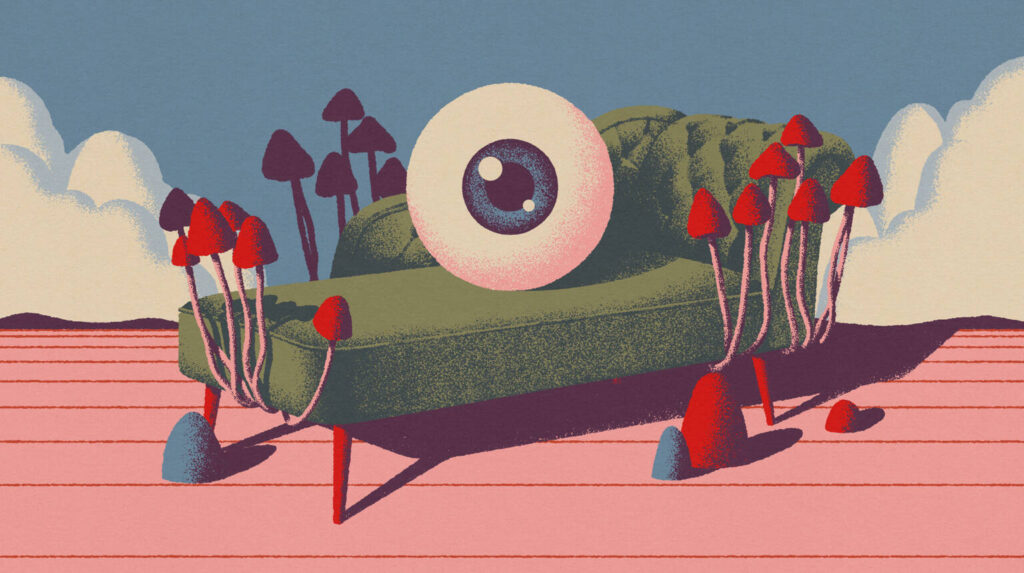
We’ve all heard that psychedelics can reduce stress, but how? Psychedelics have recently been recognized as a tool that can be used to address a range of mental health problems—anything from depression and anxiety to addiction and stress disorders. In this article, we’ll explore the science behind psychedelic stress relief and give you 5 actionable tips to help you incorporate psychedelics into plans for a stress-free future. What Does Science Say About Stress and Psychedelics? Before we get into how you can use psychedelics for stress relief, you’ll probably want a little assurance that it works. So, what exactly have researchers found when looking at psychedelics and stress? We can’t talk about psychedelics and stress without mentioning PTSD. In any given year, around 8 million adults are suffering from post-traumatic stress disorder. This includes a high number of veterans, a significant number of females who have survived sexual assault/abuse, and individuals of all races, genders, and ages who have experienced an accident or disaster. Traditional therapies for PTSD typically include antipsychotic medications (like risperidone or olanzapine) or antidepressants (including Prozac, Paxil, or Zoloft). Though these medications work for some individuals, in most cases, they fall short. Even if these methods do lead to symptom management, the intolerable side effects end up being just as bad—if not worse—than the effects of PTSD itself. It’s easy to see why doctors and researchers have looked to psychedelics as an attractive alternative. Several different psychedelics are currently being studied for the treatment of PTSD. In many cases, psychedelics work to increase one’s capacity for emotional and cognitive processing—allowing them to work through their traumatic event—and do so by diminishing arousal and feelings of fear. So what does this look like? Sustained reduction of symptoms of PTSD with MDMA, a temporary reduction of symptoms with ketamine, and an improvement in symptoms with cannabis (specifically, 5 grams THC). When it comes to MDMA, studies are extremely promising—so much so that the FDA is fast-tracking the process towards its approval to be used in therapy for PTSD patients. In one study, 83% of participants (n = 20) positively responded to MDMA, and improvements were sustained over time. The ironic nature of a popular club drug being used medically is just as ironic as the way by which MDMA works to address symptoms of PTSD. MDMA (ecstasy) actually triggers the stress hormones noradrenaline/norepinephrine and cortisol. By doing so, it also activates the emotional learning required to reduce fear and stress in the long-term and also makes patients more receptive to psychotherapy. There are few studies with the classic, naturally-derived psychedelics (DMT, psilocybin, ayahuasca, mescaline, LSD) but ayahuasca has been proposed as a potential treatment for PTSD. In fact, ayahuasca ceremonies have been shown to provide relief of distressing symptoms associated with many mental illnesses, which may contribute to a better relationship with health care practitioners and a more optimal health outcome overall. Similarly, psilocybin has already been shown to have great promise in addressing stress associated with cancer and related existential crises. Impacting one’s entire outlook, psilocybin helps to reduce the elevated stress levels that normally accompany cancer treatments and patients with terminal illnesses. Working in a similar manner, the mystical experiences associated with psilocybin use are thought to produce “inverse PTSD-like effects.” These are understood to produce lasting changes in the brain, and subsequent behavior allows an individual to examine traumatic events and process them in a healthy way—which leads to sustained mental health benefits. Research into LSD and PTSD was banned in 1966, so LSD hasn’t been studied thoroughly for its potential to reduce symptoms of stress (in some cases stress is actually elevated). And because recent studies have yet to catch up for time lost during prohibition, we must rely on anecdotal evidence, some of which suggest that LSD use may help one uncover the true cause of stress and related symptoms. Unlike traditional medications that target symptoms, psychedelics help with stress because they target the root cause. Psychedelics help address the underlying causes of stress by rewiring the subconscious brain, shifting perspectives, correcting archetypal imbalances, releasing and healing trauma, and even by fostering a relationship with God or spirit. Unlike antidepressants or antipsychotics, which only treat symptoms and chemical imbalances, psychedelic use can foster long-term healing—without all of the awful side effects. So, What Are The 5 Tips for Using Psychedelics for Stress Relief? Consider Your Intention If you’re reading this article, it’s likely that you’ve experienced stress at some point in your life and are curious about how you can alleviate it. The most important thing to do right off the bat is to get to know your stress. Here are a few questions you can ask yourself: When do you find that you’re most likely to experience stress? Is there a certain time of day? A specific time of year? Are there certain situations that trigger stress more often? Have you noticed any specific conditions at work/home/in social settings that are associated with more feelings of stress? Are there certain people who you feel stress around more often? Do you find yourself feeling overwhelmed by certain people? Do you feel like you need to de-stress after engaging with specific people? It’s important to realize that there will always be an underlying cause of stress as well as triggers. No one experiences stress “just because.” And though medical and physiological factors are at play, the underlying cause will likely have something to do with a desire to control certain outcomes, a lack of self-love, a way you relate to the world, or loops created by past trauma. Knowing your stress will be the first way for you to get to the bottom of its root causes so that you can work towards alleviating it. Once you know your stress, you can create an intention around addressing it. How specific can you get about what life will look like with reduced stress? Do you want less stress at work, less stress with relationships, or do you want to better understand how to deal with stress when it arises? The better you can pinpoint your intention, the
